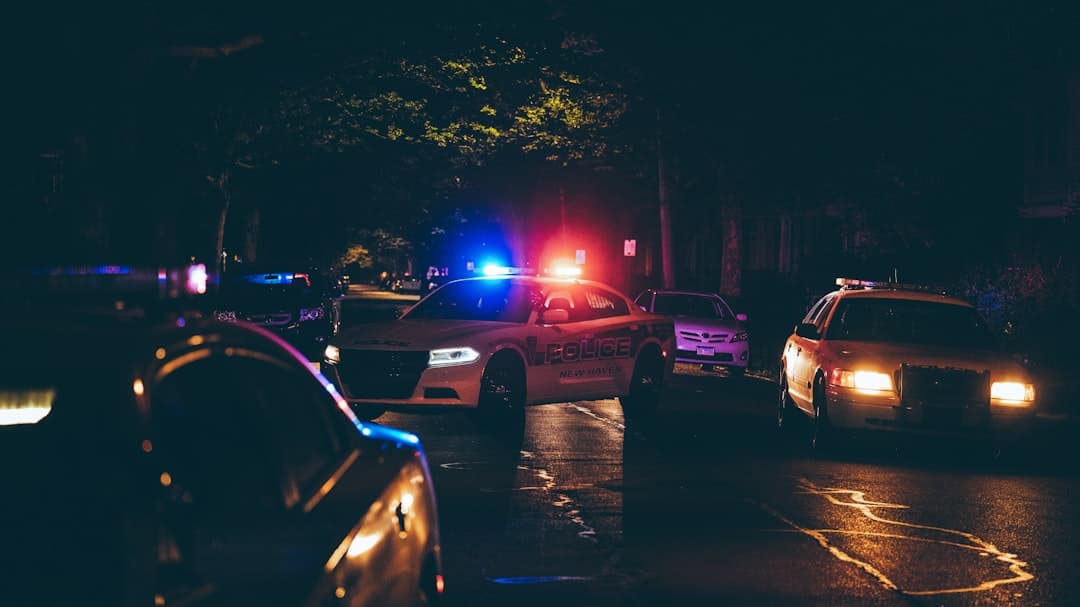
Smoked Lights, Real Citation: Clearing a Headlight Tint Fix-It Ticket
So a cop pulled you over, glanced at your smoked-out headlights or blacked-out taillights, and handed you a piece of paper instead of a full-blown fine. Annoying? Sure. But a fix-it ticket is actually the good outcome here. Let's get it cleared so it stops living rent-free in your head.
What a Fix-It Ticket Actually Is
A fix-it ticket — sometimes called an equipment citation, correction notice, or non-moving violation — isn't a conviction. It's law enforcement flagging something on your car that doesn't meet code, and in most jurisdictions it comes with a built-in off-ramp: fix the problem, prove you fixed it, and the citation gets dismissed or reduced instead of turning into a fine on your record.
The catch is that the process for clearing one — how long you have, whether there's a dismissal fee, whether you need a signature from an officer, a mechanic, or a inspection station, and where you file the proof — is entirely up to your state, county, or even the specific court listed on your ticket. There's no universal timeline or fee we can quote you here, because it genuinely varies. Your citation itself will have instructions, and if it doesn't spell things out clearly, a quick call to the court clerk's number printed on the ticket will get you the real answer. Don't guess — a missed step (or a missed deadline) can turn a cheap fix into an actual fine.
With that housekeeping out of the way, here's the part you can control: actually fixing the tint problem and documenting it well.
Step 1: Confirm What Your State Actually Requires
Before you touch your lights, know the rule you're working against. The good news is this one's simple nationwide: smoked or tinted film on headlights and taillights is illegal in every state we've checked, including big-ticket states like Headlight & Taillight Tint in Texas, California, Florida, and New York, and this holds true whether you drive a daily commuter or a weekend build. The underlying logic is consistent across the country: headlights are legally required to emit white light, and taillights must show red, at whatever visibility distance your state's statute sets. Any tint, film, or spray that dims or discolors that light — even the "5% smoke" film sold as a styling upgrade — violates that requirement. There's no state on record with a legal exception or minimum darkness threshold for this one; it's a flat no.
That means you don't need to dig through pages of statute language trying to find a loophole for your particular shade of smoke film. If an officer cited you for it, the fix is the same regardless of which state you're in: get the tint off and get the lights back to clear, functioning white/red output.
Want the exact statute language and citation number for your state? Look up your exact state on our free headlight & taillight tint pages — every limit and statute citation is there. It's also worth doing this even after your ticket is cleared, just so you know what to avoid re-installing down the road.
Step 2: Actually Fix the Problem
For most drivers this means one of two things:
If you added aftermarket tint film or spray tint yourself: Remove it. Vinyl film can usually be peeled off with a heat gun or hair dryer and some patience; spray-on tint (the stuff from a can) may need actual paint stripper or fine-grit wet sanding followed by polishing. Go slow — you want clear plastic underneath, not scratched or cloudy plastic.
If your lenses are just naturally yellowed, hazy, or oxidized: That can also trigger a "lights not visible/compliant" citation even without anyone adding tint on purpose. A headlight restoration kit (the kind with graduated sandpaper, polishing compound, and a UV-protectant sealant) will bring cloudy lenses back to clear in about 30–45 minutes per side. This is worth doing even if oxidation wasn't the cited issue — inspectors sometimes flag both at once.
Once your lenses are clear, if you're worried about rock chips or want to keep them looking new, a clear headlight protection film (not tinted, just a transparent paint-protection-style layer) can shield the lens without changing light output or color at all — it's legal because it doesn't dim or tint the light, it just protects the surface.
Double-check taillights too. People fix headlights and forget the taillight overlays that came with a "blackout kit."
Step 3: Document the Fix Like You're Building a Case
Courts and clerks see a lot of "trust me, I fixed it" claims. Don't be vague — build a small paper trail:
- Before photos if you have them (helpful but not required)
- After photos of both headlights and both taillights, in daylight, showing clear lenses
- Receipts for the restoration kit, film removal product, or protection film — proof you actually did something, not just wiped them down
- A shop invoice or work order if a professional did the removal or restoration for you
If your state's process requires a mechanic or inspection station sign-off rather than photos, get that documentation too — check your citation for which kind of proof they'll accept.
Step 4: Follow Your Citation's Instructions Exactly
This is the step people rush and mess up. Somewhere on your ticket (or your court's website) it will say how to submit proof — by mail, in person, online portal, or at a specific inspection facility — and what the deadline is. Follow that exactly, keep a copy of everything you submit, and get a receipt or confirmation number if one's offered.
If anything is unclear, call the number on the citation or check your state DMV's official site — for example, Texas drivers can check txdmv.gov — rather than relying on a forum post or a buddy's guess about "how it usually works." For general vehicle equipment standards, NHTSA and outlets like Car and Driver also publish solid background reading if you want to understand the bigger picture beyond your ticket.
Clear the lenses, document it, follow the instructions on the paper in your hand — that's the whole job.
This article is for informational purposes only. Data is AI-extracted from public statutes and may contain errors. Laws change — always verify with local authorities.