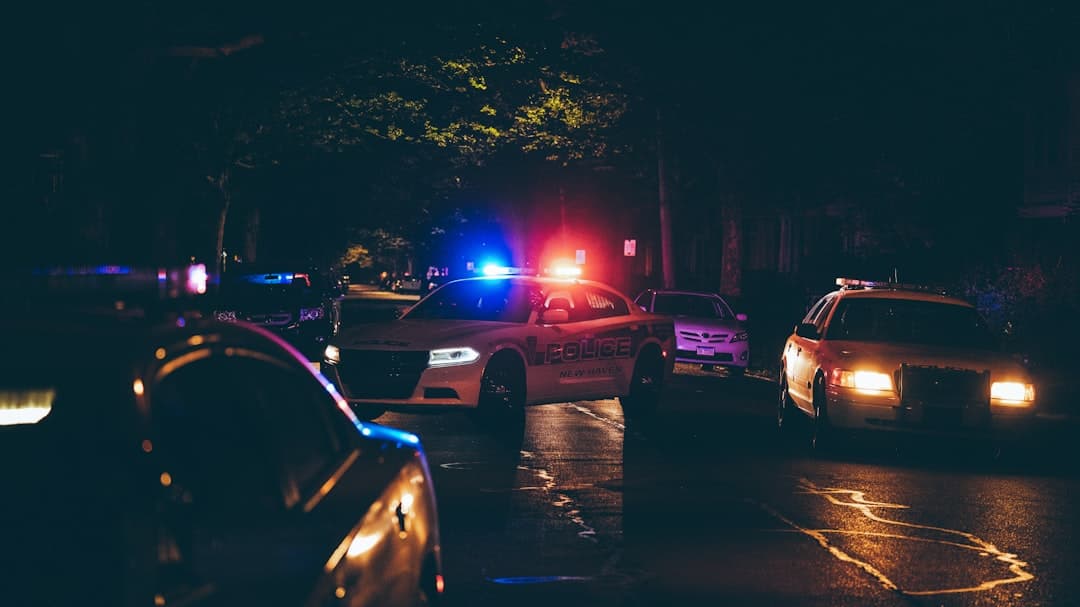
Underglow Fix-It Ticket? Here's How to Clear It
So the light bar under your doors that looks awesome in every parking lot photo just earned you a citation. First, take a breath. An underglow fix-it ticket — sometimes called a correction notice or equipment violation — is one of the most common and most fixable tickets out there. Officers write these constantly for aftermarket lighting because underglow rules vary wildly by state, and what's fine two towns over might not fly where you got pulled over. Here's exactly how to clear it without turning it into a bigger headache.
What a Fix-It Ticket Actually Is
An equipment or "fix-it" citation isn't a moving violation, and in most states it's not meant to hurt your driving record or insurance rates. It's essentially the state saying: "Your vehicle has a problem, correct it, and prove you did." Many states let you avoid a fine or point entirely if you fix the issue and submit proof within a set window.
The catch: the exact process — how long you have, whether there's a dismissal fee, whether you need a signature from a mechanic, a police station, or just a self-certification — is entirely up to your state and sometimes your specific county or court. That information will be printed directly on your citation, or available through the court or DMV listed on it. Don't guess, and don't rely on general internet advice for deadlines — read your ticket carefully first.
Step 1: Find Out What Your State Actually Requires
Before you touch a single wire, figure out what's actually legal where you live and where you were cited. Underglow laws differ a lot state to state — some states ban colored underglow outright on public roads, others allow it with strict color and flashing rules, and a few states barely regulate it at all.
For example:
- In Underglow in Texas, underglow is legal while driving, but you can't show red from the front, can't run red/white/blue combinations, and nothing can flash.
- In Pennsylvania, aftermarket underglow is banned outright on public roads — there's no color that makes it compliant, because underglow isn't part of the enumerated approved lighting list.
- In Illinois, similarly, colored or flashing accent lighting is treated as illegal for public roads regardless of what color you choose.
- In California, underglow is allowed while driving, but only if it's diffused and dim (under a specific candlepower threshold), not red toward the front, and not flashing.
- In Georgia, you can run underglow while driving as long as it isn't red, blue, green, or violet, and it doesn't flash.
See the pattern? "Underglow is illegal" is rarely the whole story — it's almost always about color, flashing, and front-visibility rules. Look up your exact state on our free underglow pages — every limit and statute citation is there, so you're not relying on rumors or what your buddy's cousin got away with in another state.
Step 2: Fix the Actual Problem
Once you know your state's rule, the fix is usually one of these:
- Change the color. If your citation was for red or blue showing to the front, swap to a compliant color like white or amber where required. This is often the cheapest fix.
- Disable flashing/strobe modes. Many controllers let you lock the system to solid-on mode only. If yours doesn't, a simpler non-flashing controller solves it.
- Reposition or shield the lights. In states with front-visibility restrictions (no red or blue visible from the front), sometimes adjusting the angle or adding a shield keeps rear/side glow while eliminating what's visible from the front.
- Remove or cover it entirely. In states like Pennsylvania, Illinois, Michigan, Virginia, Vermont, Wisconsin, Massachusetts, Maine, Connecticut, Minnesota, or Washington, where public-road underglow use is effectively prohibited regardless of color, the only fully compliant fix may be to keep it uninstalled, covered, or only used on private property.
If you're rebuilding your setup anyway, this is a good moment to upgrade to something built with compliance in mind — a quality underglow LED kit with solid-color-only modes removes the temptation (and risk) of flashing patterns entirely. If the citation was really about the "look-at-me" factor, consider scratching that itch inside the cabin instead — an interior ambient LED kit gives you the customization without ever being visible from outside the vehicle.
Step 3: Document Everything
Before you close this out, build a simple paper trail:
- Photos of the corrected lighting — daytime and nighttime, showing the color and that it's non-flashing.
- Receipts for any parts purchased (new controller, replacement LEDs, shields).
- Installation date noted somewhere, even just a timestamped photo.
If your state has candlepower limits (like Arizona's 300 candlepower cap), a receipt or spec sheet showing the product's rated output can help if there's ever a dispute.
Step 4: Follow the Ticket's Instructions Exactly
This is the part people rush and mess up. Your citation will specify who needs to sign off — that could be a law enforcement officer, a certified inspection station, or a court clerk — and how to submit proof. Some jurisdictions want an in-person inspection; others accept mailed or emailed photos and paperwork. Deadlines and any dismissal fees vary by state and even by county, so check the citation itself or contact the court/clerk listed on it directly.
For general reference on vehicle lighting standards, the NHTSA publishes federal equipment guidance, and your state DMV site (swap in your own state's DMV domain) will have local specifics. Outlets like Car and Driver also cover aftermarket lighting trends if you want a broader perspective before your next build.
Handled carefully, an underglow fix-it ticket is a minor speed bump — not a big deal. Fix the actual violation, document it, follow the instructions on the ticket, and move on with your build.
This article is for informational purposes only. Data is AI-extracted from public statutes and may contain errors. Laws change — always verify with local authorities.