The Newbie's Guide: 5 Legal Modification Mistakes That Could Cost You Big
So you just bought your first project car and you're itching to make it your own. Instagram is full of sick builds, YouTube tutorials make everything look easy, and your buddy swears his setup is "totally legal." But before you start wrenching, let's talk about the costly mistakes that trip up first-time modders — and how to avoid them.
Getting pulled over for illegal modifications isn't just embarrassing; it can mean expensive tickets, failed inspections, and even having your car impounded. The good news? Most violations are totally preventable with a little research upfront.
Mistake #1: Going Too Dark on Window Tint
Window tint is often the first mod new enthusiasts tackle. It's relatively cheap, makes any car look better, and seems harmless enough. But tint laws are surprisingly strict and heavily enforced.
The Problem: Many first-timers assume "the darker, the better" without checking local laws. They'll slap 5% limo tint on everything and wonder why they keep getting pulled over.
The Reality: Tint regulations vary dramatically by state and even by window position. For example, Texas requires 25% VLT minimum on all windows for sedans, while Alabama allows 32% VLT on front windows with any darkness on rear windows. Some states have different rules for SUVs versus sedans.
How to Avoid It: Always check your state's tint laws before visiting the shop. When in doubt, go lighter — you can always add more tint later, but removing it is expensive and time-consuming. A reputable tint shop should know local laws, but ultimately it's your responsibility as the vehicle owner.
Pro Tip: Keep your tint receipts and certificates. They prove you used legal percentages if questioned during a traffic stop.
Mistake #2: Installing Lift Kits Without Understanding Height Limits
Lift kits can transform your truck or SUV's appearance and capability, but they're heavily regulated for safety reasons. New modders often focus on how the lift looks while ignoring critical legal requirements.
The Problem: Most states have maximum vehicle height limits, bumper height restrictions, and headlight positioning requirements. Install a lift kit wrong, and you might pass every other vehicle on the road but fail your next inspection.
The Reality: Even lift-friendly states like Alabama allow lift kits but require compliance with bumper height restrictions and proper headlight positioning. Some states limit total vehicle height to 13-14 feet, while others regulate how high your bumper can sit above the ground.
How to Avoid It: Research your state's lift kit regulations before buying anything. Consider how the lift will affect your headlight aim — you might need to readjust or relocate them to stay legal. Factor in the cost of suspension modifications that might be required to maintain proper geometry.
Pro Tip: Work with a reputable shop that understands local lift kit laws. A good installer will ensure your build meets height requirements and maintains proper lighting angles.
Mistake #3: Going Overboard with LED Light Bars
LED light bars and auxiliary lighting can dramatically improve visibility, especially for off-road adventures. But many states have strict rules about when and how you can use them on public roads.
The Problem: First-time modders often install massive light bars and auxiliary LEDs without understanding usage restrictions. They assume that if it's legal to install, it's legal to use anywhere, anytime.
The Reality: Many states allow light bar installation but require them to be covered or disconnected when driving on public roads. Alabama, for instance, permits light bars but mandates they be covered during street driving. Other states prohibit forward-facing auxiliary lights entirely or restrict them to off-road use only.
How to Avoid It: Install covers or switches that allow you to completely disable auxiliary lighting when on public roads. Consider your actual needs — do you really need a 50-inch light bar for occasional camping trips, or would smaller, more discrete options work better?
Pro Tip: Wire your auxiliary lights through a separate switch system that makes it easy to comply with local laws. Some modders install automatic systems that disable aux lights when the vehicle is in drive.
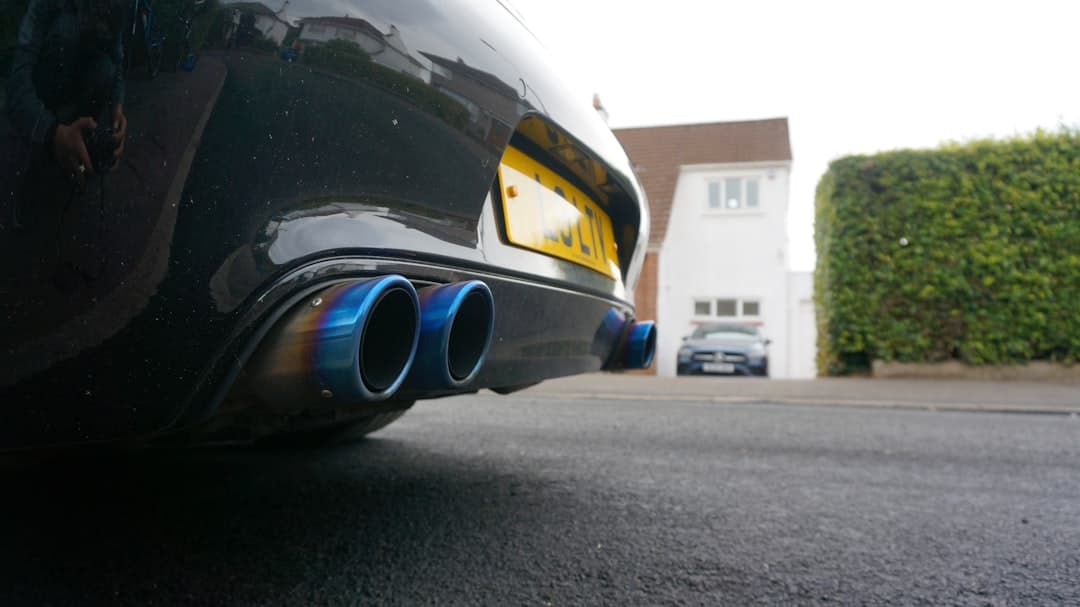
Mistake #4: Ignoring Exhaust Sound Regulations
A good exhaust note can make any car more exciting to drive. But what sounds awesome at 2 PM might get you a noise violation ticket at 7 AM — or anytime, depending on your local laws.
The Problem: New modders often prioritize sound over compliance, installing straight pipes or extremely loud exhaust systems without checking decibel limits or time-of-day restrictions.
The Reality: Most areas have noise ordinances that apply to vehicle modifications. Some cities prohibit exhaust modifications entirely, while others set specific decibel limits measured at certain distances. The National Highway Traffic Safety Administration provides federal guidelines, but local enforcement varies widely.
How to Avoid It: Research local noise ordinances before modifying your exhaust. Consider a system with removable baffles or electronic cutouts that let you adjust volume based on driving conditions. Test your setup with a decibel meter app to get a rough idea of noise levels.
Pro Tip: Even if your exhaust is technically legal, driving respectfully in residential areas and avoiding late-night/early-morning noise will help you avoid unwanted attention from law enforcement.
Mistake #5: Skipping Documentation and Receipts
This might be the most overlooked aspect of vehicle modification, but proper documentation can save you serious headaches during traffic stops, inspections, or insurance claims.
The Problem: Many first-timers install modifications without keeping proper records. When questioned about legality, they can't prove their setup meets regulations or was installed correctly.
The Reality: Law enforcement and inspection stations often can't determine modification legality just by looking. Having proper documentation — receipts, installation certificates, compliance statements — can mean the difference between a warning and a ticket.
How to Avoid It: Keep detailed records of all modifications, including part numbers, installation dates, and compliance certifications. Take photos of work in progress and final installations. Store digital copies in cloud storage so you can access them anywhere.
Pro Tip: Create a simple modification log with photos and specifications for each change. This documentation can also help with insurance claims and resale value.
Do Your Homework Before You Wrench
The key to successful, legal modifications is research. Laws vary dramatically by state, and what's legal in your buddy's state might get you ticketed in yours. Spending 30 minutes researching regulations can save you hundreds in fines and headaches down the road.
Not sure what's legal in your state? Check with our free lookup tool — exact limits and statute citations included.
Start with simpler modifications while you learn the ropes. Consider consulting with experienced local modders or reputable shops familiar with your area's regulations. Join local car groups where experienced enthusiasts can share knowledge about what works — and what doesn't — in your specific region.
Remember, the goal isn't just to build a cool car; it's to build a cool car you can actually drive and enjoy without constantly looking over your shoulder for law enforcement. Taking the time to do modifications right the first time will save you money, stress, and potential legal troubles down the road.
Every figure in this guide was verified against primary sources — statute text, administrative code, and state inspection manuals — in August 2026. Laws change and local ordinances may add requirements beyond state law, so verify with local authorities before modifying your vehicle. This is not legal advice.