What Happens If You Get Pulled Over With Illegal Modifications: Your Complete Survival Guide
Picture this: you're cruising down the highway in your pride and joy—lowered suspension, aftermarket exhaust rumbling, and tinted windows that took you hours to perfect. Then you see the flashing lights in your rearview mirror. Your heart sinks as you realize your modifications might not be as street-legal as you thought.
Getting pulled over with illegal mods isn't the end of the world, but it can quickly turn expensive and complicated if you're not prepared. Here's your complete guide to navigating this stressful situation like a pro.
The Traffic Stop: Stay Calm and Collected
When those blue lights flash, your first priority is conducting yourself professionally. Pull over safely, turn off your engine, and keep your hands visible on the steering wheel. Remember, the officer doesn't know you from any other driver, and your modified vehicle might already have their attention.
Don't volunteer information about your modifications. If asked directly, be honest but brief. Lying to a police officer can escalate the situation and potentially add charges. A simple "I wasn't aware that modification wasn't street legal" is far better than claiming ignorance about obvious changes to your vehicle.
Keep your documentation ready—driver's license, registration, and insurance. If you have receipts or certification documents for your modifications, have them accessible but don't hand them over unless specifically asked.
Understanding What Officers Look For
Police officers are trained to spot common illegal modifications, and some are more likely to result in tickets than others. Window tint violations are among the most frequently cited because they're easy to spot and measure. In Texas, for example, front side windows must allow at least 25% VLT, while Alabama requires 32% VLT minimum for front windows.
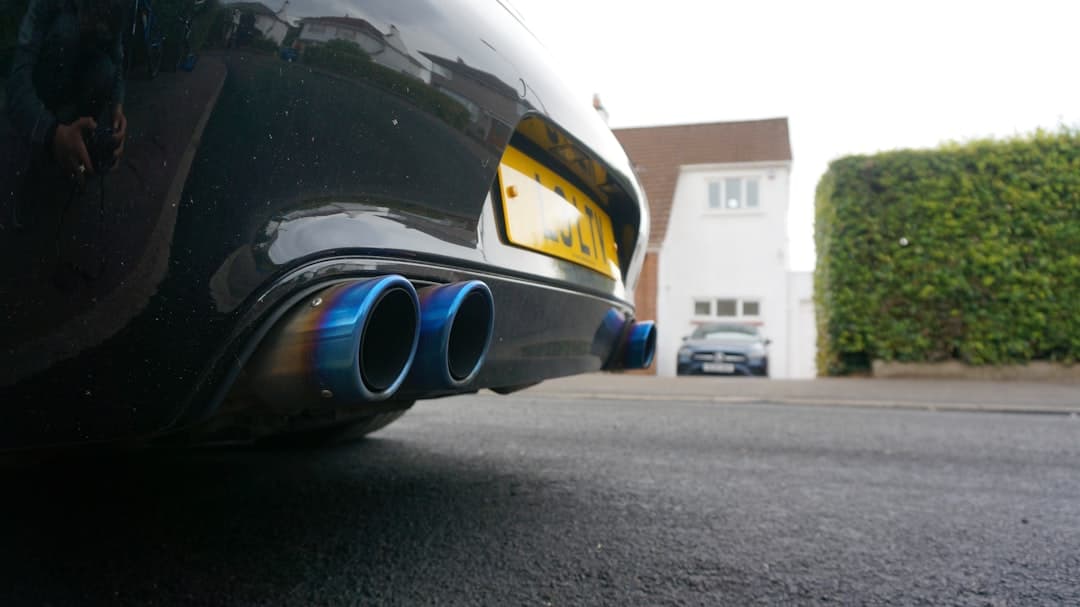
Exhaust modifications are another red flag. If your car can be heard from several blocks away, you're likely exceeding legal decibel limits. Most states have specific noise ordinances, and officers often have sound meters to measure violations on the spot.
Suspension modifications that affect ride height, particularly lowered vehicles, frequently draw attention. Officers look for cars that appear to scrape, have improper headlight angles, or show signs of bottoming out.
The Citation Process: What to Expect
If the officer decides to write a ticket, they'll typically cite specific vehicle code violations. Don't argue or try to negotiate at this point. Accept the citation professionally and ask clarifying questions if you don't understand the specific violation.
Common citations include:
- Equipment violations (tint, lights, exhaust)
- Height restriction violations (lowered or lifted vehicles)
- Noise ordinance violations
- Safety equipment violations
The officer might issue a "fix-it ticket" that allows you to correct the violation and have the citation dismissed, or they might write a standard traffic citation with fines. In some cases, particularly with severe safety violations, your vehicle could be deemed unsafe to drive.
Immediate Steps After Getting Cited
Document everything immediately. Take photos of your vehicle, the modification in question, and keep detailed notes about the interaction. This documentation could be crucial if you decide to contest the citation.
Research the specific violation cited on your ticket. Vehicle codes can be complex, and sometimes officers make mistakes or cite the wrong statute. Understanding exactly what law you allegedly violated helps you determine your next steps.
Don't make roadside modifications. If you're tempted to remove tint or disconnect exhaust components right there, resist the urge. This can be dangerous and might not even address the legal issue properly.
Your Legal Options: Fight or Fix
You typically have three options when dealing with modification citations:
Pay the fine and move on. This is the simplest option but admits guilt and may affect your driving record. It's often the most expensive long-term choice.
Fix the violation and request dismissal. Many jurisdictions offer programs where you can correct the modification and have the citation dismissed for a reduced court fee. This often requires inspection by law enforcement or a certified mechanic.
Contest the citation in court. If you believe the citation was issued incorrectly or your modification is actually legal, you can fight it. Bring documentation, photos, and any relevant legal research. Consider consulting with a traffic attorney for serious violations.
Prevention: Your Best Defense Strategy
The best way to handle illegal modification citations is to avoid them entirely. Research your local laws before making modifications. What's legal in one state might be illegal in the neighboring state, and local municipalities often have additional restrictions.
Keep documentation for all modifications, including receipts, installation records, and any compliance certifications. Some modifications require specific brands or installation methods to remain street legal.
Consider joining local car clubs or online communities where experienced modders share knowledge about local law enforcement patterns and legal requirements. These communities often have valuable insights about which modifications draw attention and which officers are knowledgeable about vehicle laws.
Working with Law Enforcement
Building positive relationships with local law enforcement can pay dividends. Some police departments have officers who are car enthusiasts themselves and appreciate well-done, legal modifications. Attending community events, car shows with police participation, and maintaining a respectful attitude during any interactions helps create a positive reputation.
Never assume all officers know vehicle modification laws perfectly. Some violations are clear-cut, but others exist in gray areas where even experienced officers might make mistakes. Politely asking for clarification about specific statutes can sometimes reveal uncertainty that works in your favor.
The Bottom Line: Knowledge is Power
Getting pulled over with illegal modifications doesn't have to be a disaster if you handle it properly. Stay calm, be respectful, document everything, and understand your options. Most importantly, do your homework before modifying your vehicle to avoid these situations entirely.
Not sure what's legal in your state? Check with our free lookup tool to keep your build street-legal and ticket-free.
Remember, the modification community thrives when we all stay legal and represent our hobby positively. A little research upfront can save you hundreds of dollars and countless headaches down the road.
For more information about vehicle safety standards and regulations, visit the National Highway Traffic Safety Administration or your state's DMV website.
Every figure in this guide was verified against primary sources — statute text, administrative code, and state inspection manuals — in August 2026. Laws change and local ordinances may add requirements beyond state law, so verify with local authorities before modifying your vehicle. This is not legal advice.