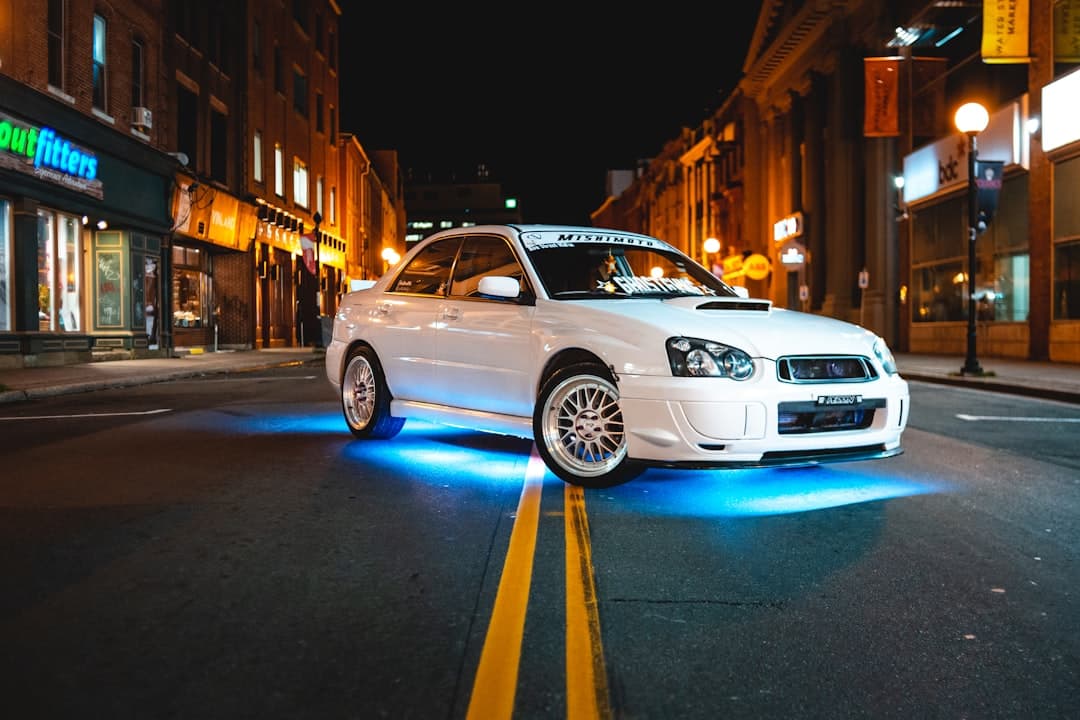
Lighting Up the Legal Gray Zone: The Truth About Vehicle LED Light Bars and Road Laws
The aftermarket automotive lighting scene has exploded in recent years, with LED light bars becoming the go-to modification for off-road enthusiasts, truck owners, and anyone wanting to turn night into day. But here's the catch: while these blazing bright bars can illuminate a trail like stadium floodlights, navigating their legal use on public roads is about as clear as driving through fog without headlights.
What Are LED Light Bars and Why Are They So Popular?
LED light bars are essentially rows of high-powered LED bulbs housed in a weatherproof casing, designed to produce massive amounts of focused light. Unlike traditional halogen headlights that might push out 1,000-3,000 lumens, a quality LED light bar can blast anywhere from 5,000 to over 50,000 lumens – enough to light up a football field.
The appeal is obvious: better visibility means safer off-road adventures, more effective work lighting for construction and emergency vehicles, and let's be honest, they look absolutely badass mounted on a truck's bumper or roof. Whether you're crawling rocky trails in Moab, hunting before dawn, or just want to see every pothole on your commute, these lights deliver performance that makes factory headlights look like birthday candles.
The Legal Landscape: It's Complicated
Here's where things get interesting – and confusing. We checked the auxiliary-lamp statute in every state. All 50 regulate light bars conditionally. Not one bans them outright, and not one allows completely unrestricted use on public roads. Mounting is legal everywhere; it's the using that's governed.
Now the part almost every guide on the internet gets wrong.
"Light bars must be covered" is not a national rule. Exactly one state flatly mandates an opaque cover: Pennsylvania, where roof or roll-bar mounted off-road lights may be installed only if they are not used on a highway and are covered. A few more require one conditionally — California requires an opaque hood plus switched off, Michigan requires covered and unlit, Virginia accepts either covered or clear-lensed so long as it's unlit, Minnesota ties the requirement to mounting height, and New Jersey requires covers only for lifted vehicles going through its elevated-vehicle certificate process.
And in two states, fitting that cover is itself the violation. Illinois prohibits driving with any lighting that has a smoked or tinted lens or cover. Kentucky requires no cover at all but bans retrofit covers and films that change the color of emitted light. Follow the generic advice in either state and you've created the offence you were trying to avoid.
Everywhere else the rule is simpler than the myth suggests: keep them switched off on the highway, and don't exceed the lamp count. Most states cap you at four front lamps over 300 candlepower lit at one time. Tennessee is the strictest at two. Ohio is the most generous at five.
The 50-state comparison has the specifics for every state.
Understanding the "Why" Behind the Rules
The National Highway Traffic Safety Administration (NHTSA) sets federal motor vehicle safety standards, but lighting regulations often fall to individual states. The concern isn't about the lights themselves – it's about driver safety and preventing dangerous glare that could blind oncoming traffic or confuse other drivers about your vehicle's intentions.
Think about it: if everyone ran uncovered 20,000-lumen light bars on the highway, night driving would become a strobe light nightmare. The regulations strike a balance between allowing enthusiasts to equip their vehicles for off-road adventures while maintaining safety on shared public roads.
What to Look for When Shopping for LED Light Bars
Lumens vs. Marketing Hype: Don't get caught up in astronomical lumen claims. A quality 12,000-lumen bar from a reputable manufacturer will outperform a sketchy 30,000-lumen unit from an unknown brand. Look for actual photometric data and beam pattern specifications.
Beam Patterns Matter: Spot beams throw light far but narrow, flood beams spread wide but shorter distances, and combo beams offer both. Consider your primary use – trail running benefits from combos, while rock crawling might prefer flood patterns.
Build Quality: Look for IP67 or IP68 ratings for water resistance, die-cast aluminum housings for heat dissipation, and polycarbonate lenses that won't yellow or crack. Quality brands like Rigid Industries, KC HiLites, and Baja Designs didn't build their reputations by accident.
Mounting and Wiring: Factor in installation costs and complexity. Roof-mounted bars require more involved wiring and potentially professional installation, while bumper mounts might be more DIY-friendly but could affect approach angles.
Common Mistakes That'll Cost You
The "Set It and Forget It" Trap: Installing light bars without checking your own state's rule leads to expensive tickets. Most states accept switched-off compliance; six require a cover in some form; two treat a tinted cover as the violation. If you drive between states, note that no single fixed setup satisfies Pennsylvania and Illinois at once — a removable opaque cover is the only hardware that works in both.
Color Confusion: Blue and red LEDs might look cool, but they're reserved for emergency vehicles in most jurisdictions. Even seemingly innocent purple or green lights can trigger unwanted law enforcement attention.
Wiring Nightmares: Proper relay systems and fusing aren't suggestions – they're safety requirements. Undersized wiring or direct-switch connections can create fire hazards and electrical failures when you need lights most.
Aim and Alignment: Even legal auxiliary lights can become problematic if aimed incorrectly. Lights pointed too high create glare, while misaligned beams waste their effectiveness.
Want the exact statute citations? Our state law pages have the full legal breakdown for specific state requirements and penalties — free.
The Road Ahead for LED Lighting
The aftermarket lighting industry continues evolving, with new technologies like adaptive beam patterns and smartphone integration becoming mainstream. Some manufacturers are even working with regulators to develop DOT-compliant high-output lighting that could legally supplement factory headlights on public roads.
For now, the message is clear: LED light bars represent an incredible tool for off-road enthusiasts and working professionals, but they come with responsibility. Understanding your local regulations, investing in quality equipment, and respecting other drivers ensures this lighting revolution continues benefiting everyone who needs to turn darkness into daylight.
The key is treating these lights as the powerful tools they are – not street accessories, but serious equipment designed for specific applications where maximum visibility can mean the difference between a successful adventure and a dangerous situation.
Every figure in this guide was verified against primary sources — statute text, administrative code, and state inspection manuals — in August 2026. Laws change and local ordinances may add requirements beyond state law, so verify with local authorities before modifying your vehicle. This is not legal advice.